





U.S stocks fell for the fourth straight week, with investors staring down the barrel of what now seems to be a full-blown energy crisis.
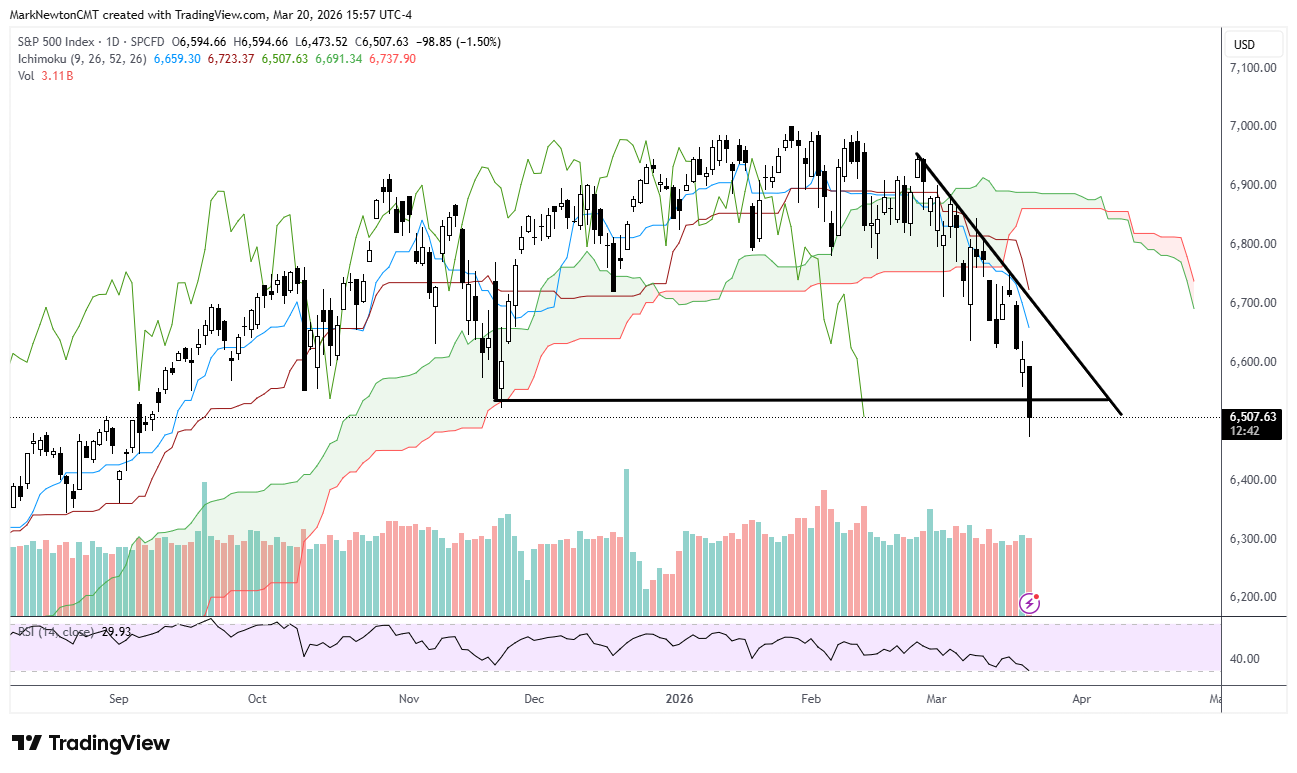
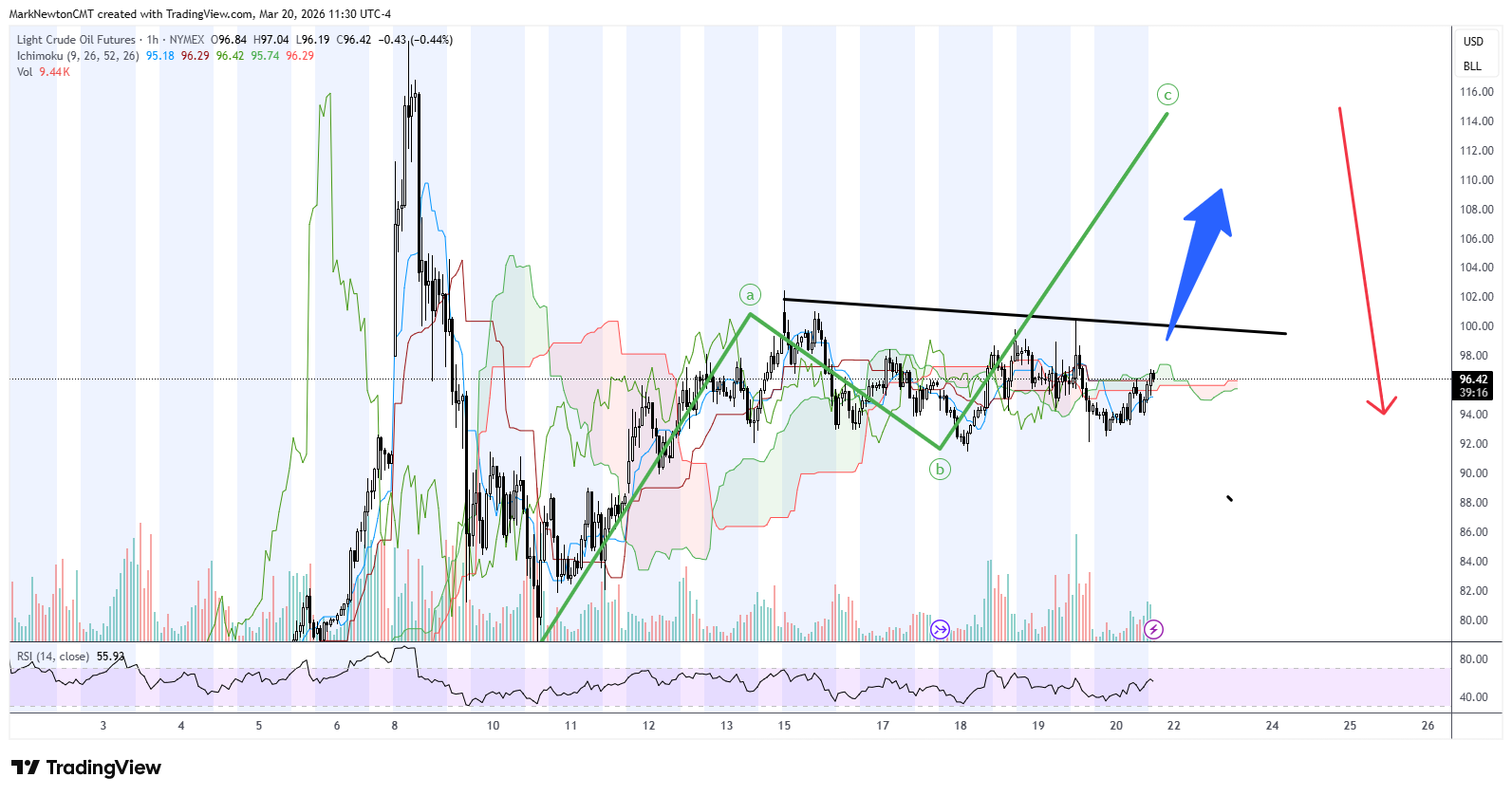
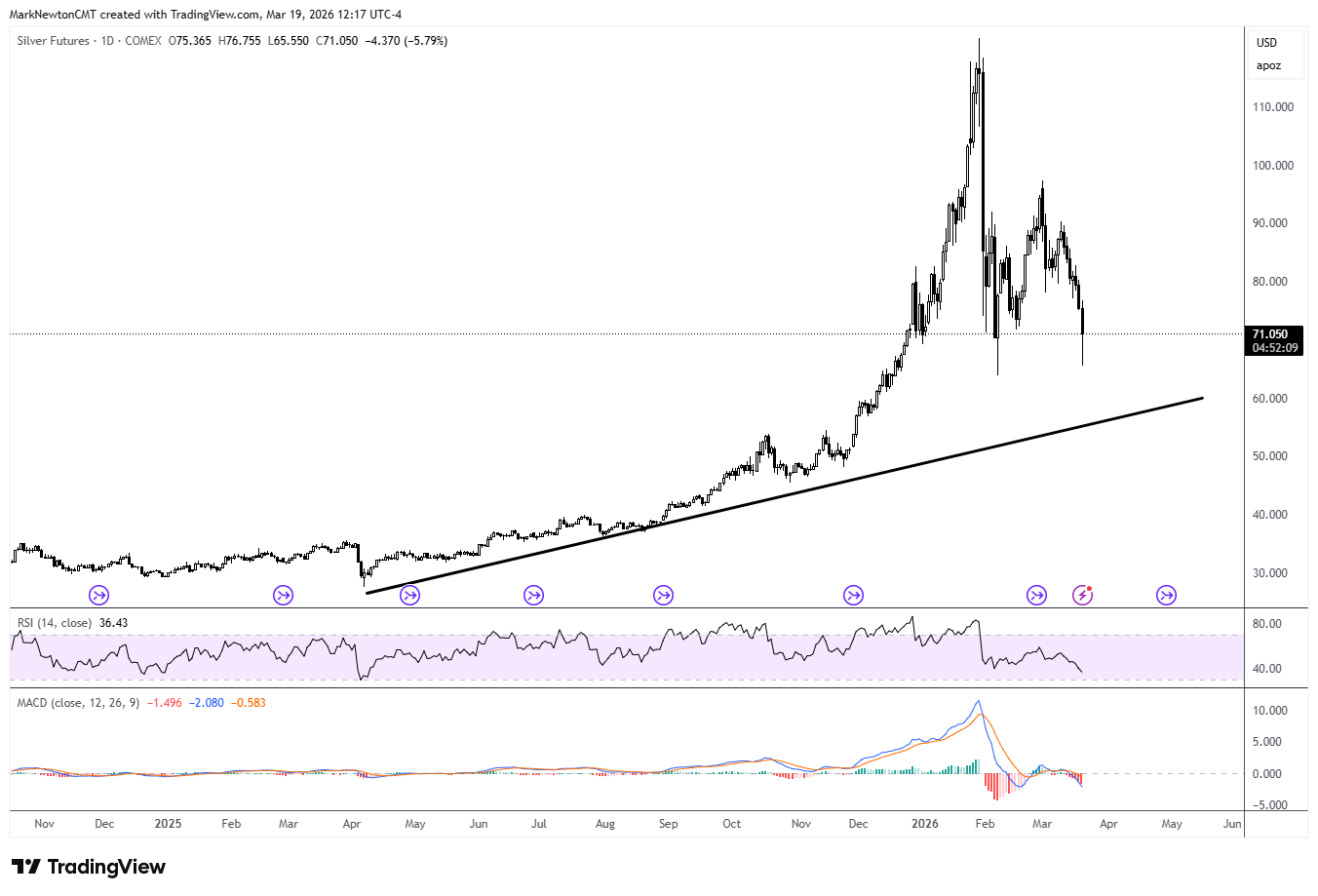
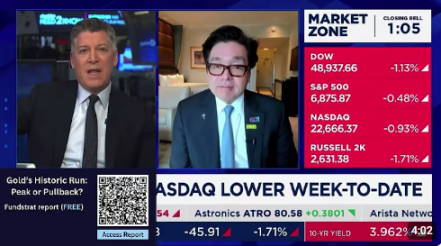
Signs of chaos were abundant. Prices for Brent crude, the international oil benchmark, surged above $119 a barrel this week, hitting the highest level since June 2022. Gold prices tumbled 10% this week, marking the worst performance since March 2020. Meanwhile, the S&P 500 fell below its 200-day moving average for the first time since March 2025. The index declined 1.9% this week, with only energy and financials in the green out of the 11 sectors.
The losses have been particularly painful because the traditional war-time playbook hasn’t worked. Defensive sectors like consumer staples, healthcare, along with precious metals and Treasury bonds have floundered since the U.S.-Israeli strike on Iran on Feb. 28, whereas riskier assets like bitcoin, ethereum, and the Magnificent Seven have rallied hard.
“It’s frustrating for bulls and bears alike,” Fundstrat Head of Technical Strategy Mark Newton said during the weekly huddle. “It’s not easy to make money in times like this. It’s not an investing environment, it’s more of a trading environment.”
This month, the S&P 500 has slipped 5.4%, putting it on course for the worst monthly performance since March 2025.
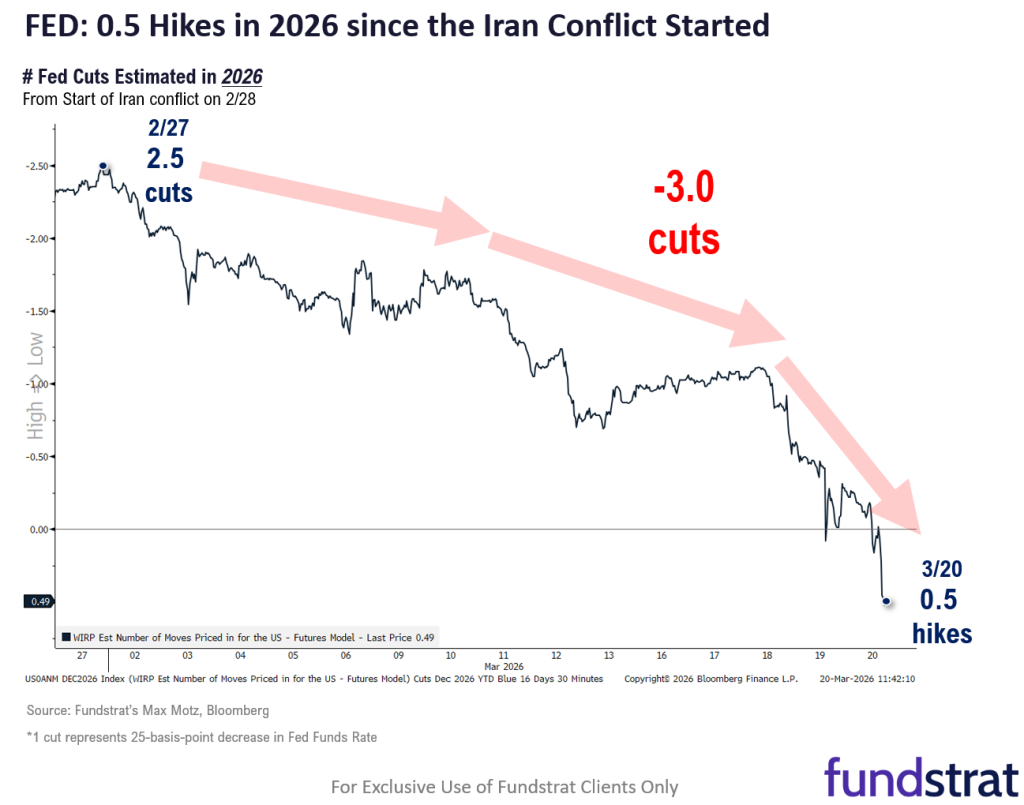
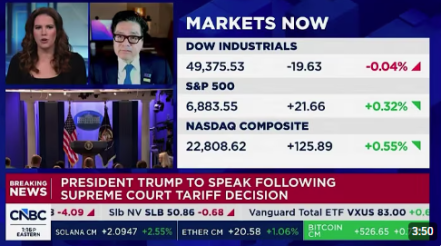
The war comes at a particularly unfortunate time for investors who were hoping for easier monetary policy. While the Federal Reserve kept interest rates steady at their Wednesday meeting, comments from chair Jerome Powell suggested there is more uncertainty now on what happens to rates. “His take makes sense,” Head of Research Tom Lee said. “The inclination of the Fed is still to cut rates, but there is greater uncertainty.”
Fresh data on Wednesday morning showed that the producer-price index rose 3.4% in February from a year ago, coming in way above the Fed’s 2% inflation target.
Lee thinks that stocks in March can still reverse losses to finish in the green. “We’re facing a longer war, but I think the downside might be limited for stocks,” Lee said. One big reason why he believes that is because Wall Street’s fear gauge VIX surged above 35 but is now around 25. This has typically boded well for stocks’ future returns over the past 36 times it has happened, except during 2022’s bear market, according to data going back to 1990. Lee believes that the selloff in the Magnificent Seven stocks, bitcoin and ethereum is 95% done and recommends investors leg into the low instead of trying to time the bottom.
Newton has a different view there. “I’m not inclined to be too aggressive or trying to be cute buying dips until I get sufficient evidence of not only the market signals but also evidence of capitulation,” he said. He recommends investors to add exposure to agriculture stocks, materials, and natural gas and oil.